

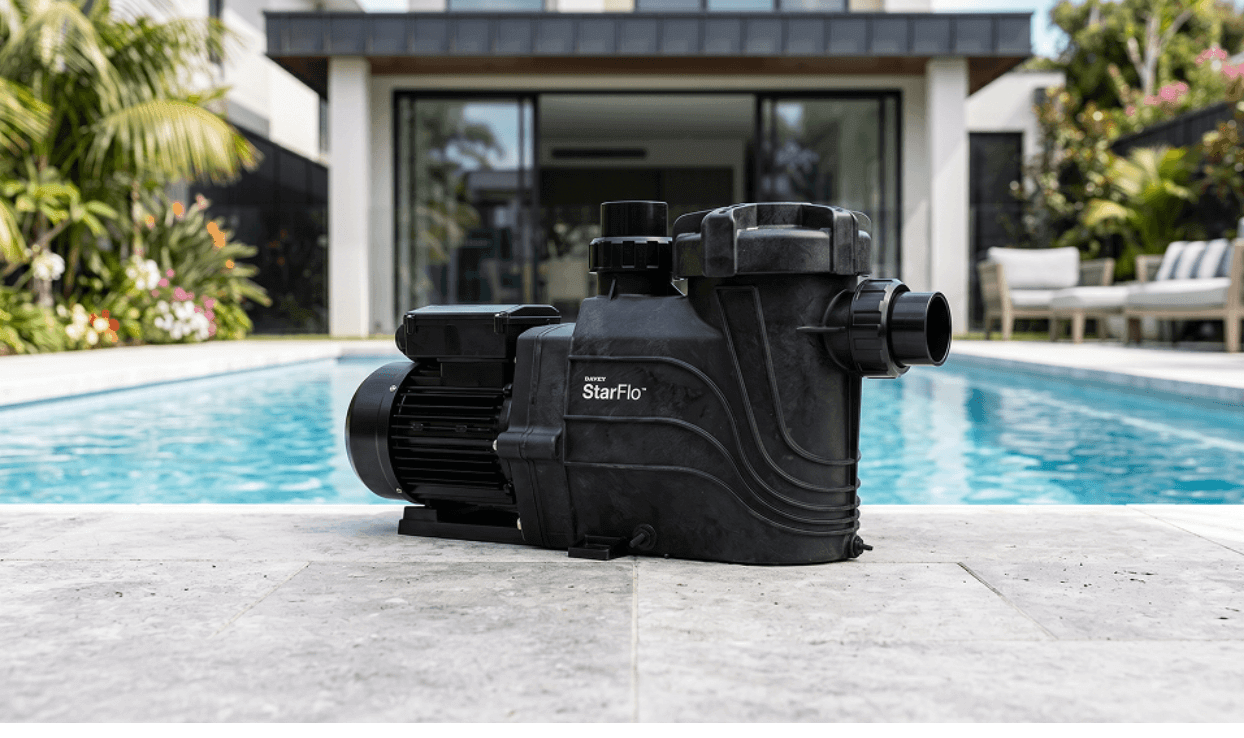
Keeping a swimming pool clean, safe, and enjoyable requires more than regular skimming and chemical treatments. One of the most important pieces of equipment responsible for maintaining water quality is the above-ground pool pump. It continuously circulates water through the filtration system, helping remove dirt, debris, and contaminants that would otherwise affect water clarity and hygiene. Without proper circulation, even the best pool chemicals cannot perform effectively, leading to cloudy water, algae growth, and costly maintenance issues.
Understanding the Role of an Above-Ground Pool Pump
Table of Contents
An above-ground pool pump acts as the heart of the pool’s circulation system. It draws water from the pool, pushes it through the filter, and returns clean, filtered water to the pool. This continuous movement prevents stagnant water while ensuring debris, bacteria, and other unwanted particles are effectively removed.
A properly functioning pump also distributes pool chemicals evenly throughout the water. Instead of chemicals remaining concentrated in one area, circulation allows them to sanitise the entire pool, improving water balance and reducing the risk of algae or bacterial growth.
Key Reasons Above-Ground Pool Pumps Are Essential
Maintains Clean and Clear Water
One of the biggest advantages of a quality pool pump is its ability to keep water consistently clean. The pump continuously moves water through the filtration system, allowing the contaminants to be captured before they accumulate. As a result, pool owners enjoy sparkling water that looks inviting while requiring fewer corrective treatments.
Supports Effective Filtration
A pool filter cannot perform its job without water flowing through it. The pump provides the necessary pressure to move water across the filter media, whether it uses sand, cartridges, or glass media.
Efficient filtration removes fine particles that manual cleaning cannot address. Over time, this process helps reduce staining, prevents cloudy water, and extends the lifespan of the filtration equipment by maintaining a steady water flow.
Prevents Algae Growth
Algae thrive in stagnant water where circulation is poor. Even if sanitising chemicals are present, areas with little water movement can become breeding grounds for algae.
Continuous circulation ensures sanitiser reaches every section of the pool, limiting opportunities for algae to develop.
Improves Chemical Distribution
Maintaining balanced pool chemistry is essential for swimmer comfort and equipment protection. However, chemicals need proper circulation to work effectively.
The pump distributes chlorine, salt, pH adjusters, and other treatment products evenly throughout the water. This prevents chemical hotspots while helping maintain consistent water quality across the entire pool.
Extends the Life of Pool Equipment
Poor water circulation places unnecessary stress on every component of the pool system. Dirt and debris can clog filters faster, while stagnant water increases the likelihood of scale, corrosion, and algae that may damage equipment.
A reliable pump helps protect valuable components by maintaining consistent water movement. Cleaner water reduces wear on filters, heaters, chlorinators, and plumbing, lowering repair and replacement costs over time.
How Can Professional Installation Improve Performance
While some above-ground pool pumps are designed for straightforward installation, professional guidance can help ensure the entire circulation system performs efficiently. Correct plumbing connections, suitable pump sizing, and proper filtration setup all contribute to better water quality and reduced maintenance.
When planning a new pool or upgrading existing equipment, working with an experienced pool builder in Geelong can provide valuable advice regarding system design, equipment compatibility, and long-term maintenance requirements. Professional recommendations often help avoid common installation mistakes that may reduce pump efficiency or increase operating costs.
Conclusion
An above-ground pool pump plays a vital role in maintaining clean, healthy, and balanced pool water throughout the swimming season. By continuously circulating water through the filtration system, it removes debris, distributes chemicals evenly, prevents algae growth, and protects valuable pool equipment. Choosing the right pump is one of the smartest investments for keeping an above-ground pool operating reliably, allowing pool owners to spend less time solving maintenance problems and more time enjoying crystal clear water.
Frequently Asked Questions
What does an above-ground pool pump do?
An above-ground pool pump circulates water through the filtration system, helping remove debris, distribute chemicals evenly, and maintain clean, healthy pool water.
How often should a pool pump be maintained?
Basic maintenance, such as cleaning the pump basket and checking connections, should be performed regularly, while a more detailed inspection should be completed according to the manufacturer’s recommendations.
What are the signs of a failing pool pump?
Reduced water flow, unusual noises, leaks, overheating, difficulty priming, or inconsistent circulation may indicate the pump requires maintenance or replacement.
Does pump size affect pool performance?
Yes. A correctly sized pump provides efficient circulation without excessive energy consumption. An oversized or undersized pump can reduce overall system efficiency.
Are energy-efficient pool pumps worth installing?
Yes. Energy-efficient pumps often lower electricity costs, operate more quietly, and provide reliable circulation while reducing long-term operating expenses.